

Vegan-friendly stays in Tuscany
- Stays
- 8 stays
- Hosts
- 3 hosts
- Kitchens
- 7 vegan kitchens and 1 vegetarian kitchen
- Nightly price
- US$100 to US$503 a night (median US$123)
Why do vegans travel to Tuscany?
Tuscan cooking is simple, and much of it is plant-based. The region's tradition of cucina povera turned beans, stale bread, greens, tomatoes and olive oil into dishes that still define local menus, and white cannellini beans appear in soups, side dishes and stews.
Florence, Siena, Lucca and Pisa combine art and architecture with markets and cafés, while the countryside, from the Chianti hills and the Val d'Orcia to the Maremma coast and the marble mountains near Carrara, suits slower stays. For the rest of the country, see vegan-friendly stays in Italy.
Where can you stay in Tuscany with a vegan or vegetarian host?
Hosting with Vegvisits in Tuscany means offering a vegan or vegetarian kitchen.
Tuscany has 8 stays available through Vegvisits.
Looking at type, the Tuscan listings are 6 entire places and 2 private rooms.
Tuscan listings can be found in Volterra, Montepulciano and San Gimignano.
What vegan dishes come from Tuscany?
Ribollita, a thick soup of cannellini beans, cavolo nero and stale bread, is closely associated with the region and is vegan as traditionally made. Pappa al pomodoro, a soup of tomatoes, bread, garlic, basil and olive oil, and panzanella, a summer salad of soaked bread, tomato, onion and basil, are other bread-based classics. Fagioli all'uccelletto, beans stewed with tomato and sage, and fettunta, toasted bread with new olive oil, complete a vegan meal.
Tuscan bread itself is traditionally made without any salt. Soups are sometimes made with meat stock and finished with cheese, so ask before ordering.
Agriturismi, farm stays that Italian law requires to be run by farm operators, are part of rural Tuscany, and the hospitality must stay linked to the farm's own agricultural work.
How do you plan a trip around Tuscany?
Regional trains link Florence with Pisa, Lucca, Arezzo and Siena, and buses connect many towns. The hill towns and farmhouses of Chianti, the Val d'Orcia and the Maremma are much easier to reach by car.
Spring and early autumn are mild and suit walking and cycling, while summer is hot. The grape harvest runs through early autumn and the olive harvest follows later in the autumn, when new oil is pressed. The Vegvisits search works by place, dates and guests.
Featured stays in Tuscany
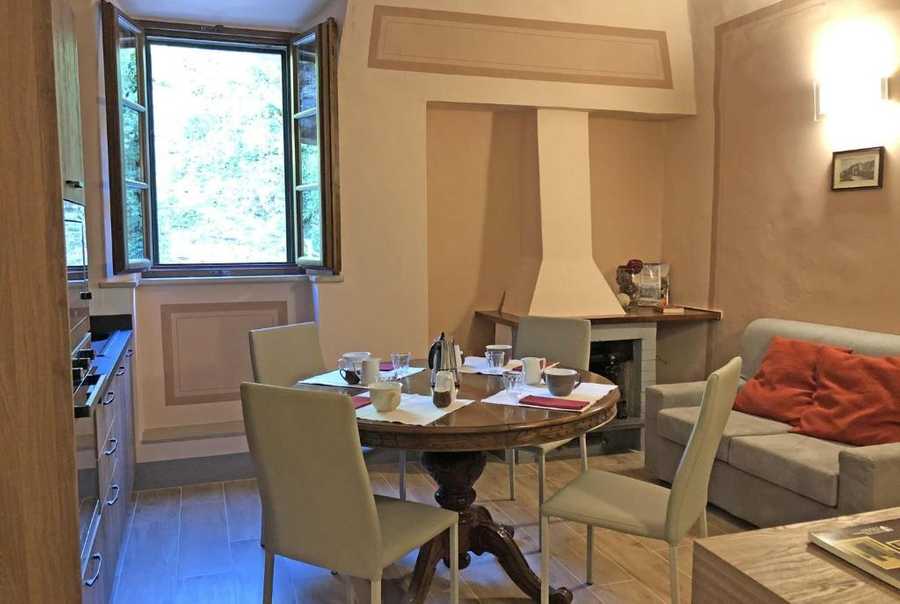 Vegan kitchen

Suite Castello, central beautyhome in the historic center, with 100% vegan meals
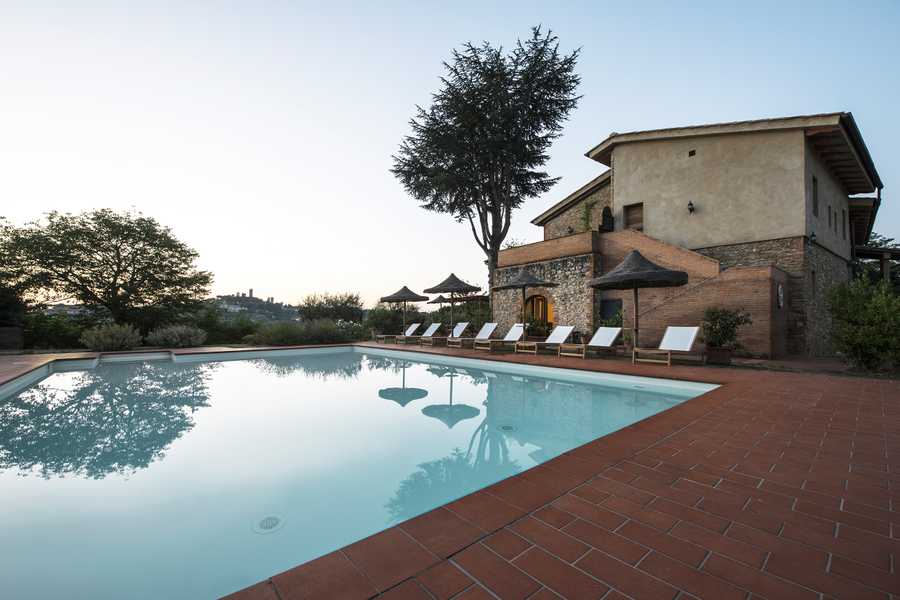 Vegan kitchen

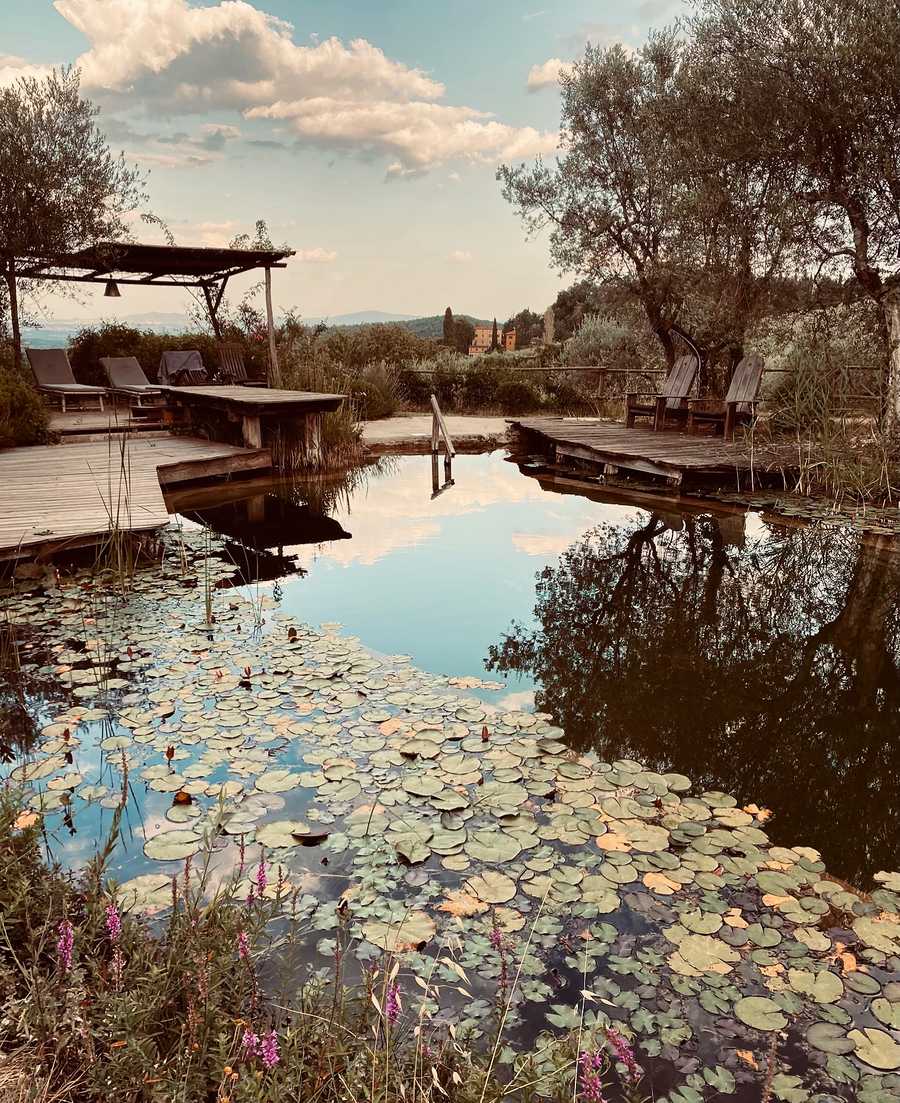 Vegetarian kitchen
Slow Life, Hideaway, Natural Pool, Peaceful, Nature, Wide view, Mindfulness
Frequently asked questions
Is Tuscan food vegan-friendly?
Many traditional Tuscan dishes, including ribollita, pappa al pomodoro, panzanella and stewed beans, are vegan as usually made. Check for cheese on top and for meat stock in soups.
Why is Tuscan bread unsalted?
Tuscan bread is traditionally made without salt, and the protected Pane Toscano DOP is defined partly by its total lack of salt. Accounts of how the custom began differ.
What is ribollita?
A thick Tuscan soup of cannellini beans, cavolo nero and stale bread, from the region's tradition of thrifty peasant cooking.
Do I need a car in Tuscany?
For Florence, Pisa, Lucca and Siena, trains and buses are enough. For farmhouses and hill towns in the countryside, a car is usually needed.
How many vegan-friendly stays are there in Tuscany?
Through Vegvisits, Tuscany offers 8 stays from 3 hosts.
How much does a night in Tuscany cost?
A Tuscan stay costs between US$100 and US$503 a night, and the median is US$123.